
Garrett Anderson & Hoggan: Pioneer Women Doctors at the University Women’s Club
Elizabeth Garrett Anderson and Frances Hoggan were pioneer women doctors who changed the course of medicine in Britain, and both were connected to the University Women’s Club. Garrett Anderson was the first English woman to qualify as a doctor and a founding UWC member. Hoggan was the first British woman to receive a European medical doctorate. Between them, they dismantled barriers that had kept women out of medicine for generations.
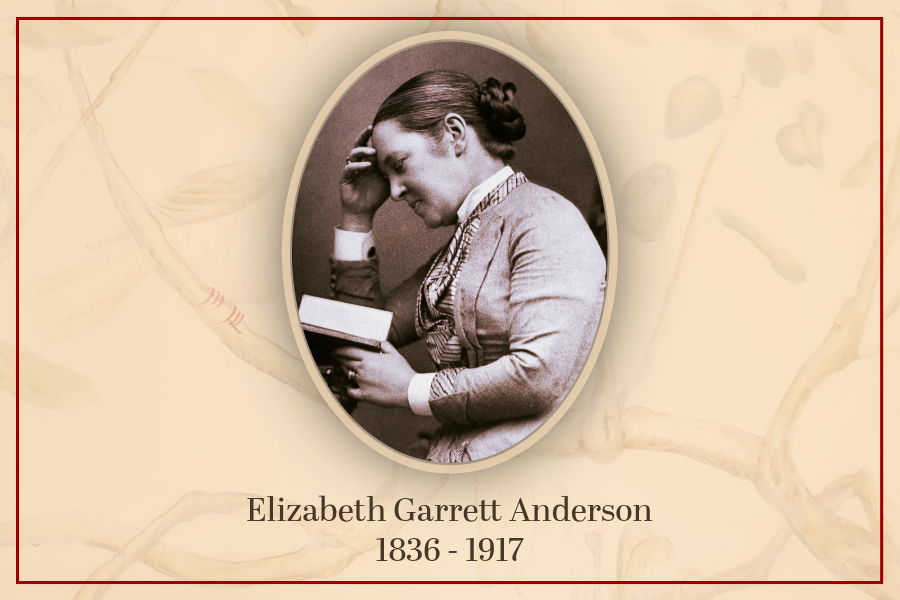
Elizabeth Garrett Anderson (1836–1917) was a founding member of the Club and the first English woman to qualify as a doctor. Blocked from every conventional route into medicine, she found a loophole through the Society of Apothecaries in 1865, which promptly changed its rules to prevent any other woman doing the same. Undeterred, she went to Paris to earn her medical degree, founded the New Hospital for Women in London in 1872, and co-founded the London School of Medicine for Women in 1874, the first institution in Britain where women could train as doctors. Garrett Anderson was the first female dean of a British medical school, the first woman elected to a school board, and, as Mayor of Aldeburgh in 1908, the first female mayor in Britain. Elizabeth campaigned for women’s suffrage alongside her sister, Millicent Garrett Fawcett.
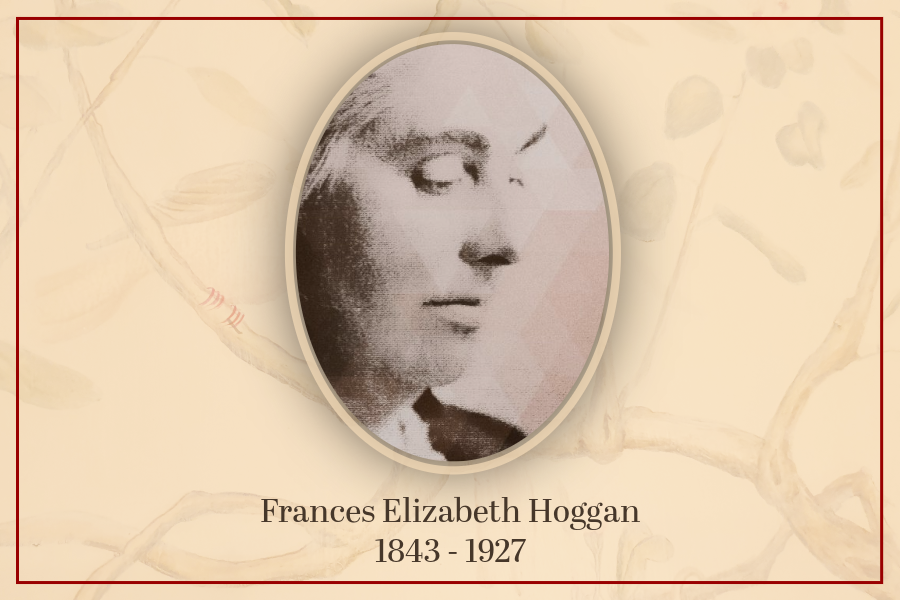
Frances Elizabeth Hoggan (1843–1927) was born in Brecon, Wales, and found the same doors closed to her. She enrolled at the University of Zurich, the only European university then accepting women medical students, and completed the six-year course in three years. Frances graduated in March 1870, the first British woman to receive a medical doctorate from a European university. After postgraduate study in Vienna, Prague and Paris, she returned to Britain and spent several years working alongside Garrett Anderson at the New Hospital for Women. Hoggan co-founded the National Health Society with Elizabeth Blackwell in 1871, campaigned vigorously for girls’ access to education in Wales, and in 1880 became the first female member of the Royal College of Physicians of Ireland.
What is perhaps less well known is that these two women did not simply share a cause from a distance, they worked together, in the same building, doing the same work.
Their legacy runs forward. Garrett Anderson’s daughter Louisa went on to run the Endell Street Military Hospital during the First World War — an all-female medical team that treated over 26,000 wounded soldiers. The New Hospital for Women she founded continues to influence women’s healthcare at UCLH today. In 2016, the Learned Society of Wales established the Frances Hoggan Medal, awarded annually to outstanding women in science, medicine, engineering, technology or mathematics.
One hundred and forty years after the founding of the University Women’s Club, its membership continues to include women working at the forefront of medicine, women’s health research and health policy.
This piece is part of the University Women’s Club’s 140th anniversary series. Members can read the full archival account of these women in the Members’ Portal.